
The Ultimate Guide to DIY STEM Kits for Kids
4/19/20263 min read
The Ultimate Guide to DIY STEM Kits for Kids
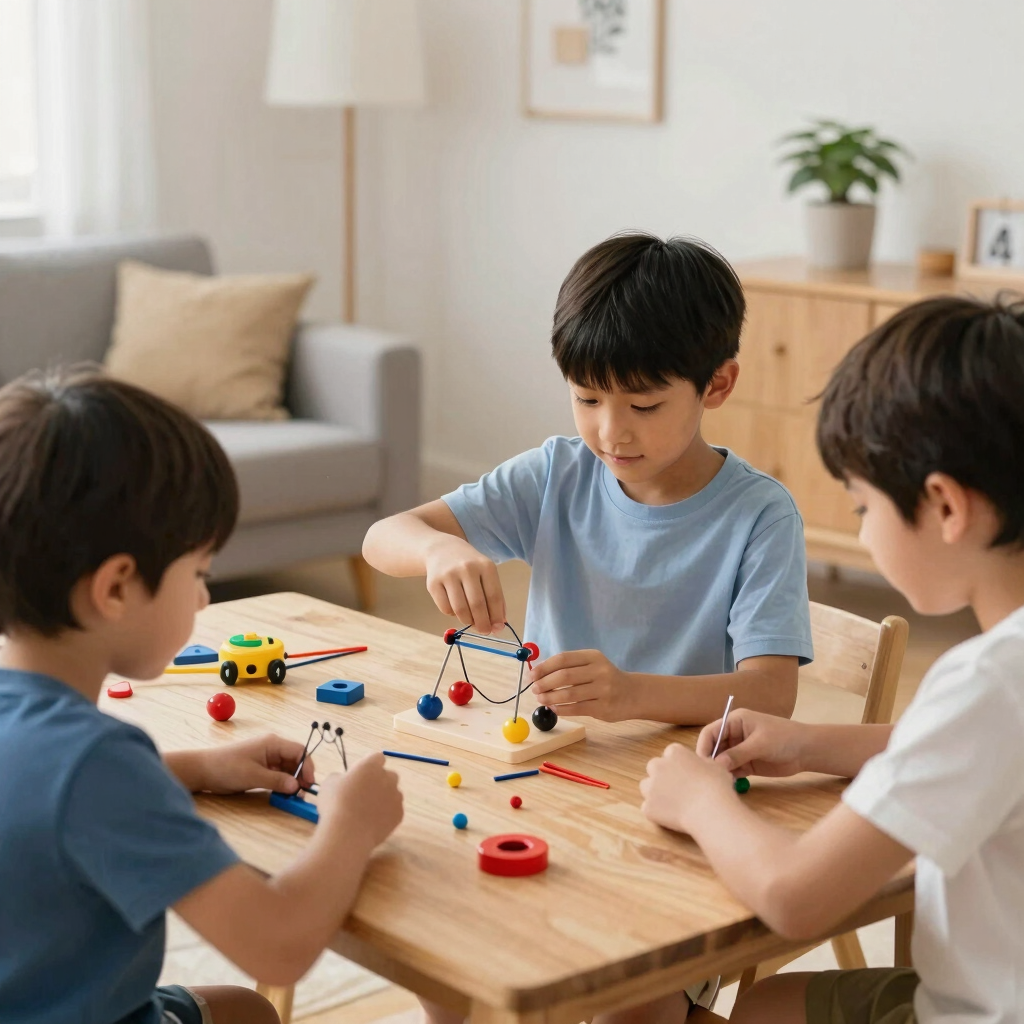
Hey there, fellow parents! Remember the look on your child's face when they finally figured out how to stack those blocks or why the sky is blue? That spark of pure "Aha!" magic is what we live for. In a world full of screens, finding ways to bring that wonder back to the kitchen table is a game-changer. That’s where STEM kits come in.
Why Hands-On Learning is a Superpower
We’ve all been there—trying to explain a complex concept while our kids stare blankly. But the moment they touch it, everything changes. Hands-on learning isn't just a buzzword; it’s how our little ones truly map the world.
Confidence Booster: Nothing says "I can do anything" like building a functioning robot from scratch. It teaches them that failure is just a step toward a solution.
Critical Thinking: STEM kits present "problems" that need solving. It’s not about following a recipe; it's about asking "What happens if I move this wire?"
Screen-Free Bonding: These kits are the perfect excuse to put the phones away and get messy together. It’s quality time with a side of physics!
Long-term Retention: Studies show we remember 10% of what we read, but 90% of what we do.
Top STEM Kit Categories
Here are the top categories that are currently winning the hearts of Indian parents and kids alike:
1. Robotics & Coding (The Future-Builders)
Robotics kits are no longer just for tech-whizzes. Modern kits allow kids to build mechanical arms, solar-powered rovers, or even programmable smart-bots. Look for: Brands like Avishkaar or Lego Mindstorms alternatives that focus on "Build-Play-Learn."
2. Chemistry & Messy Science (The Mad Scientists)
There is nothing quite like a volcano erupting in your living room (controlled, of course!). Chemistry kits teach molecular bonds through slime making, crystal growing, and colorful fizzing reactions. Look for: Einstein Box or Smartivity chemistry sets that use non-toxic, child-safe ingredients.
3. Engineering & Mechanics (The Little Architects)
If your child loves taking things apart, this is for them. These kits involve building hydraulic cranes, wooden catapults, or marble runs. It’s all about gears, pulleys, and structural integrity. Look for: Butterfly Fields or Mechanix sets which offer sturdy components and clear manuals.
Pro-Tip: Always check the "Customer Reviews" specifically for the clarity of the instruction manual. A bad manual can turn a fun afternoon into a frustration session!
Choosing the Right Kit: Age-Wise Guide
Picking a kit that is too hard leads to tears; picking one too easy leads to boredom. Here’s how to hit the sweet spot:
Preschoolers (Ages 3-5): Focus on sensory play and basic cause-and-effect. Think large magnetic tiles, "magic" sand, or basic gardening kits. Keep it colorful and chunky!
Early Elementary (Ages 6-8): This is the golden age for "Build-it-yourself" wooden models and basic chemistry. They have the motor skills to handle smaller parts but still need clear, visual instructions.
Tweens (Ages 9-12): They are ready for the "Real Deal." Look for electronic circuit kits, programmable robots, and advanced engineering sets that require patience and precision.
Teens (13+): Complex coding kits, drone building, and high-level chemistry experiments (like perfume making or water filtration systems) will keep their sophisticated minds engaged.
Final Thoughts
At the end of the day, it’s not about whether the robot walks perfectly or the crystal grows to be five inches tall. It’s about the curiosity. It’s about the "Why?" and the "How?". By bringing these STEM kits into your home, you aren't just buying a toy; you're opening a door to a world where your child is the inventor. Happy experimenting!